Phanom Rung: The Khmer Temple Nobody Knows — And That I Had All to Myself
by Mario Ferreira | 2026 | Tourism & Discoveries
Some places stop you in your tracks. Not because a travel agency sold them to you, nor because they feature on the cover of a guidebook. But because you find yourself alone in front of them, that changes everything.
That is what happened to me at Phanom Rung. That April morning, I was the only Western tourist on the site. Just me, the stones, and a thousand years of Khmer history.
If you are in the Isaan region—or planning to be—Phanom Rung is one of the most remarkable places to visit in Thailand. And one of the least frequented by Westerners.
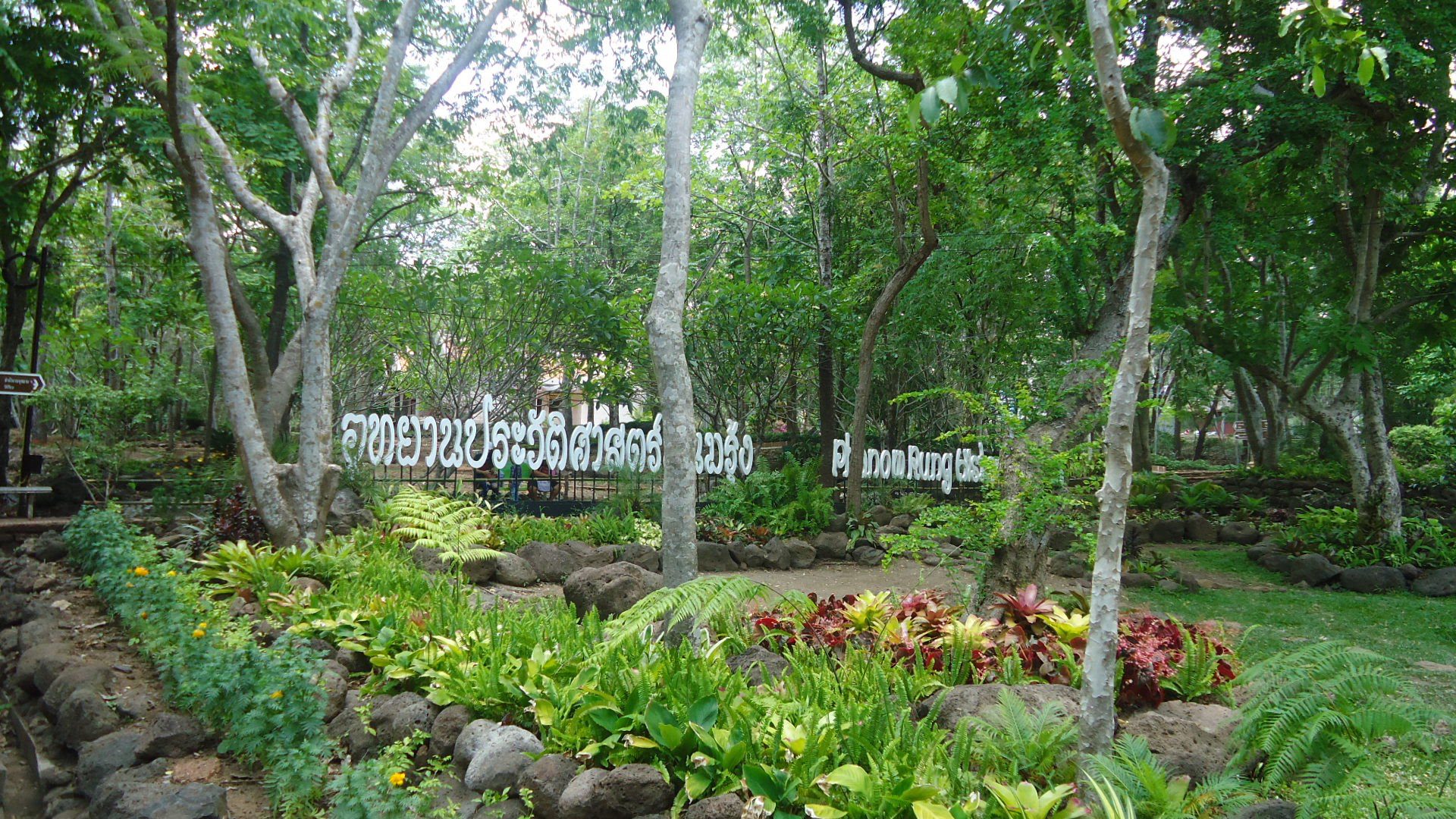
1. What is Phanom Rung?
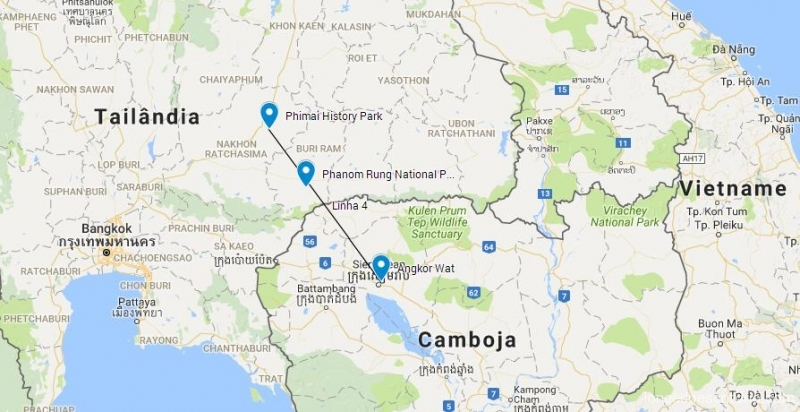
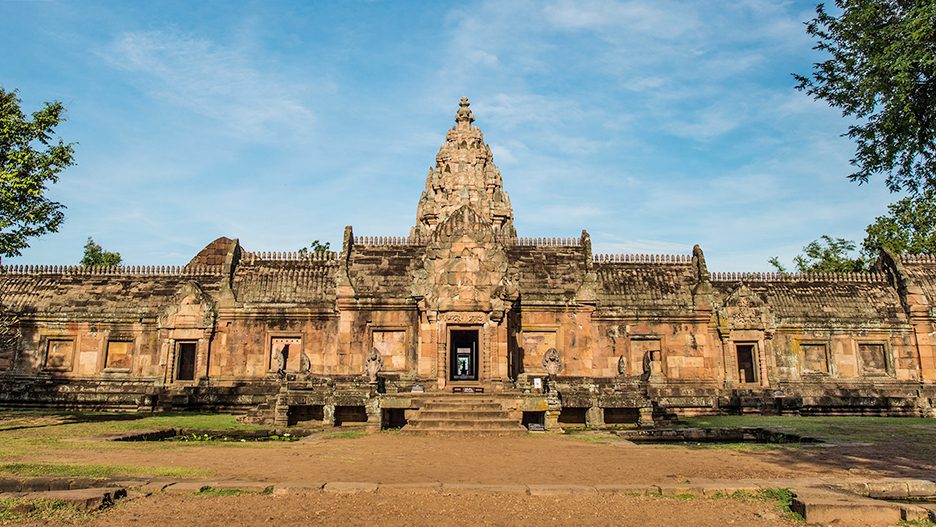
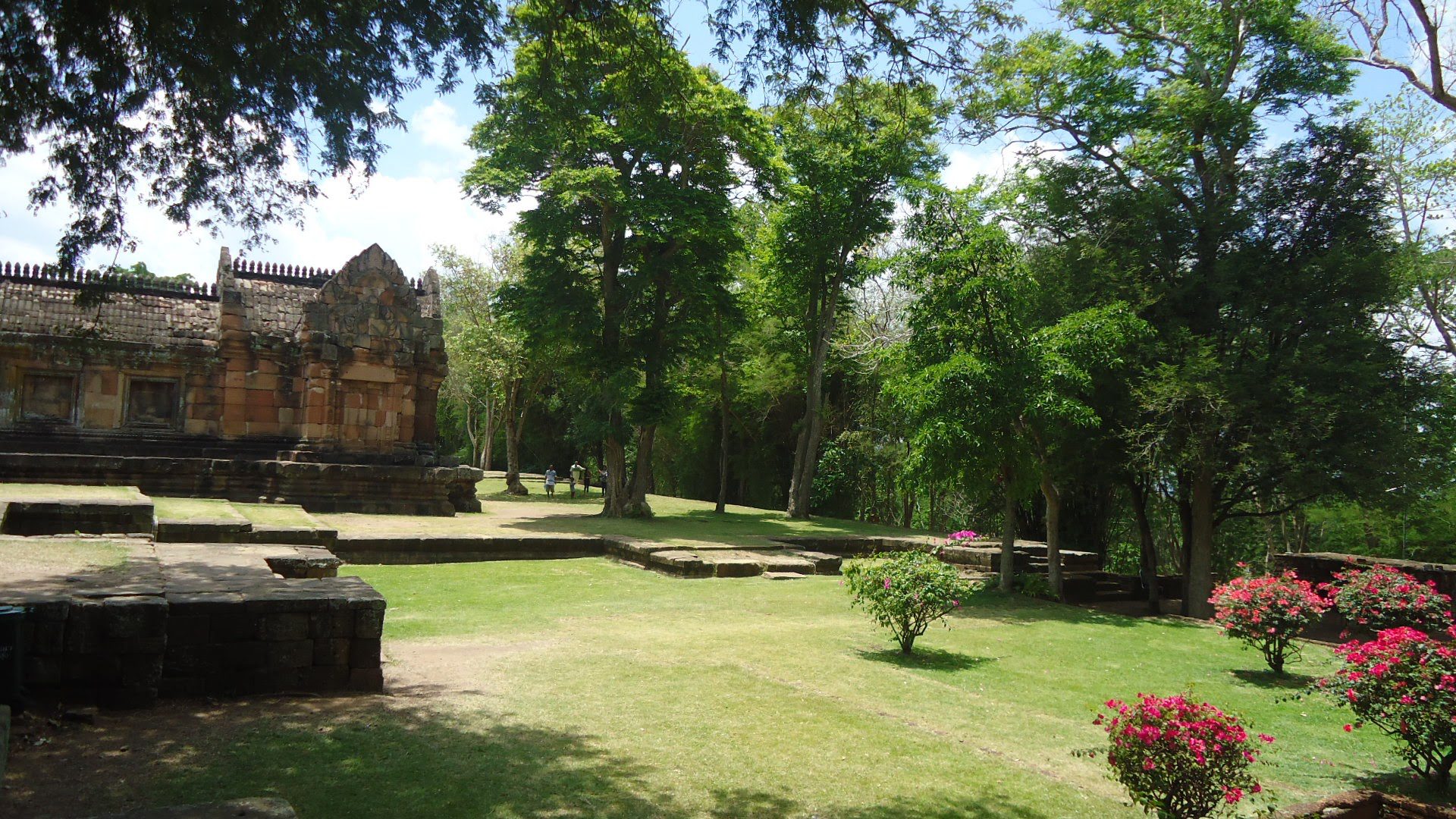
Prasat Hin Phanom Rung is a Hindu temple built by the Khmer Empire between the 10th and 13th centuries, atop an extinct volcano on the border of Buri Ram province. At 383 metres altitude, it offers a panoramic view over the Isaan plain and, on clear days, as far as the mountains of Cambodia.
Dedicated to Shiva, the temple was an important pilgrimage site on the commercial and religious route linking the Angkor empire to the northern territories. The architecture, bas-reliefs and general layout of the sanctuary undeniably recall Angkor Wat — without the crowds.
🏛️ Phanom Rung is contemporary with the great construction periods of Angkor. Built under Kings Suryavarman I and Jayavarman VII, it was a major religious and administrative centre of the Khmer empire in present-day Thai territory.
2. The Resemblance to Angkor — Striking
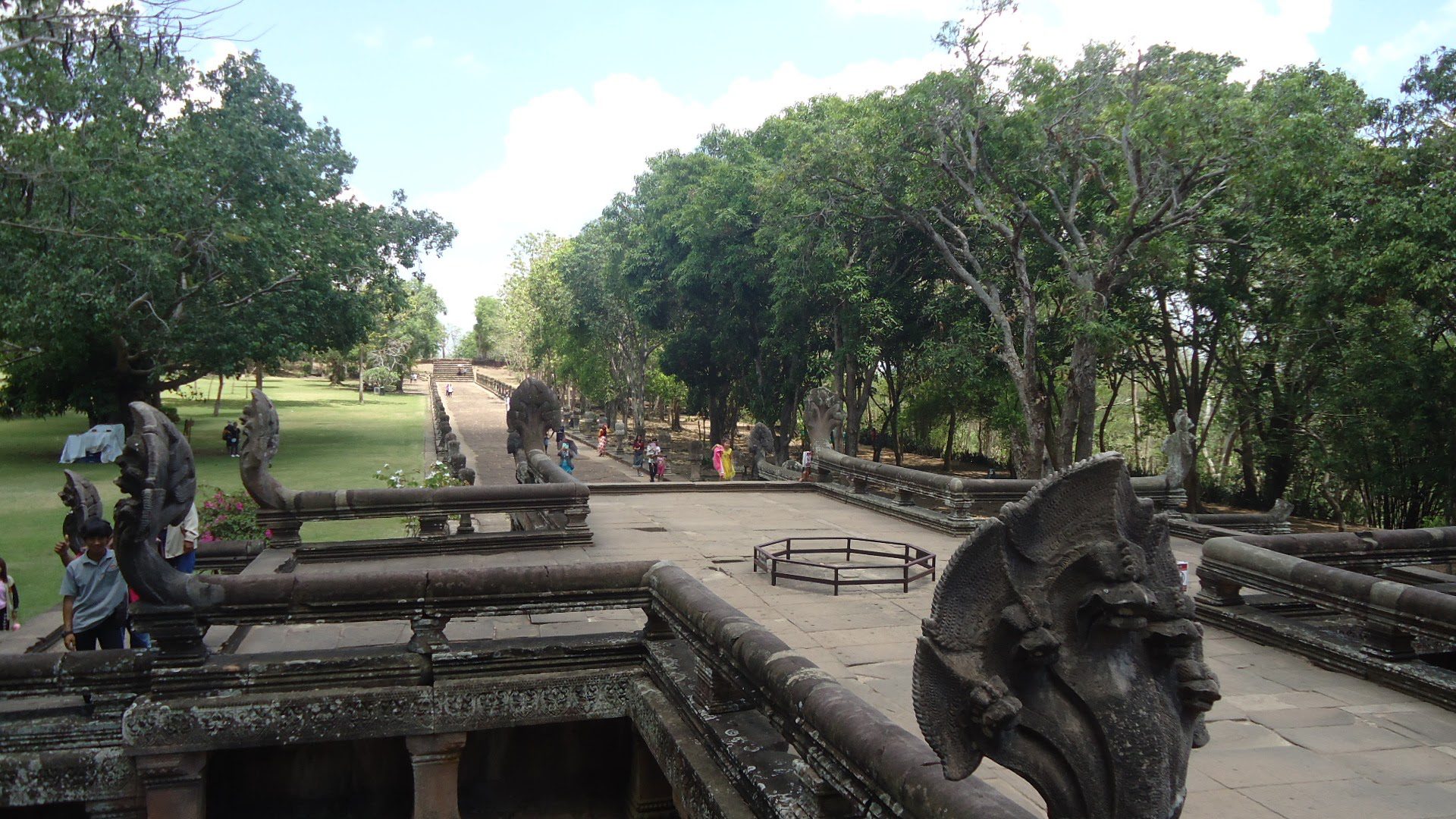
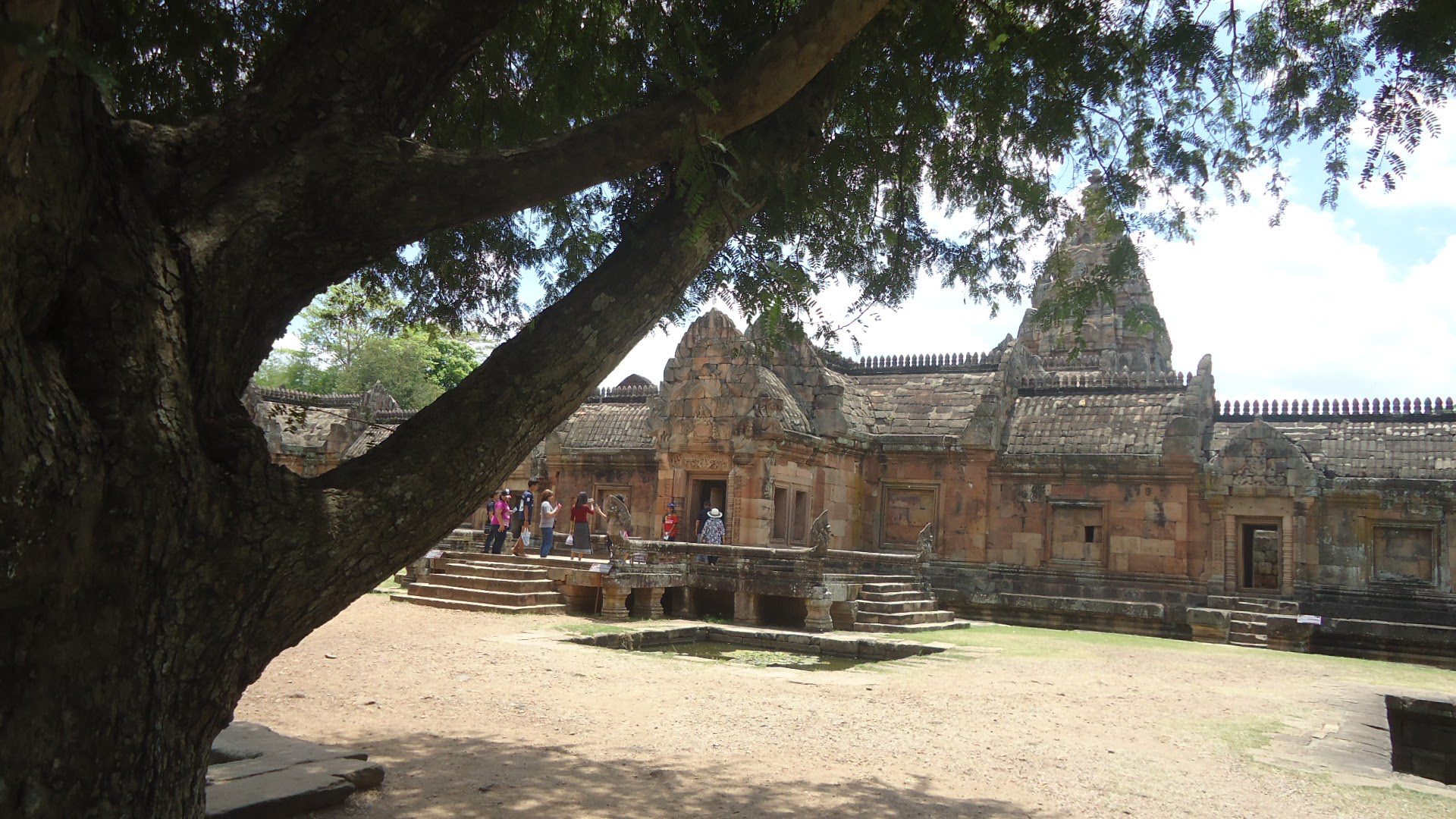
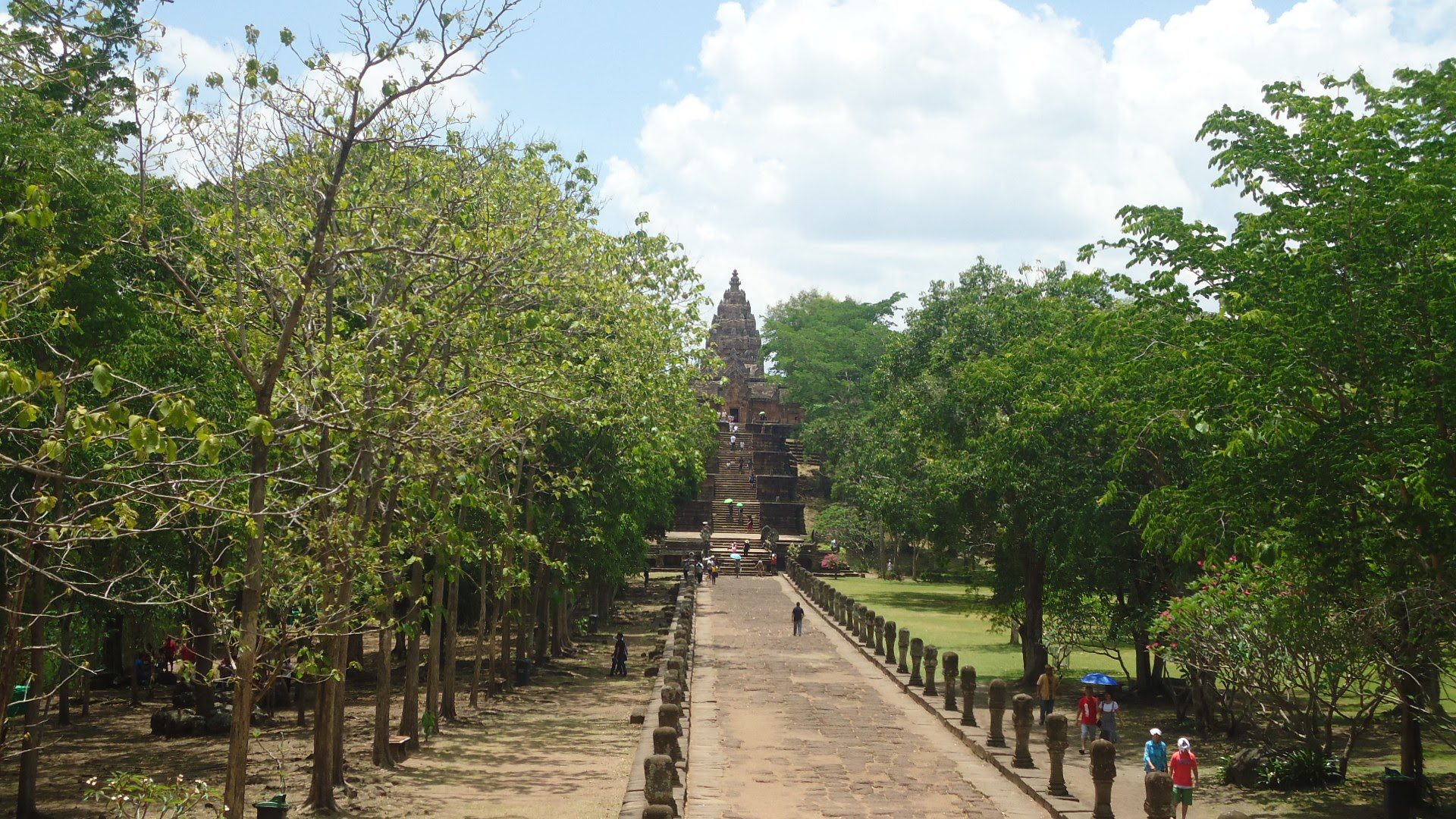
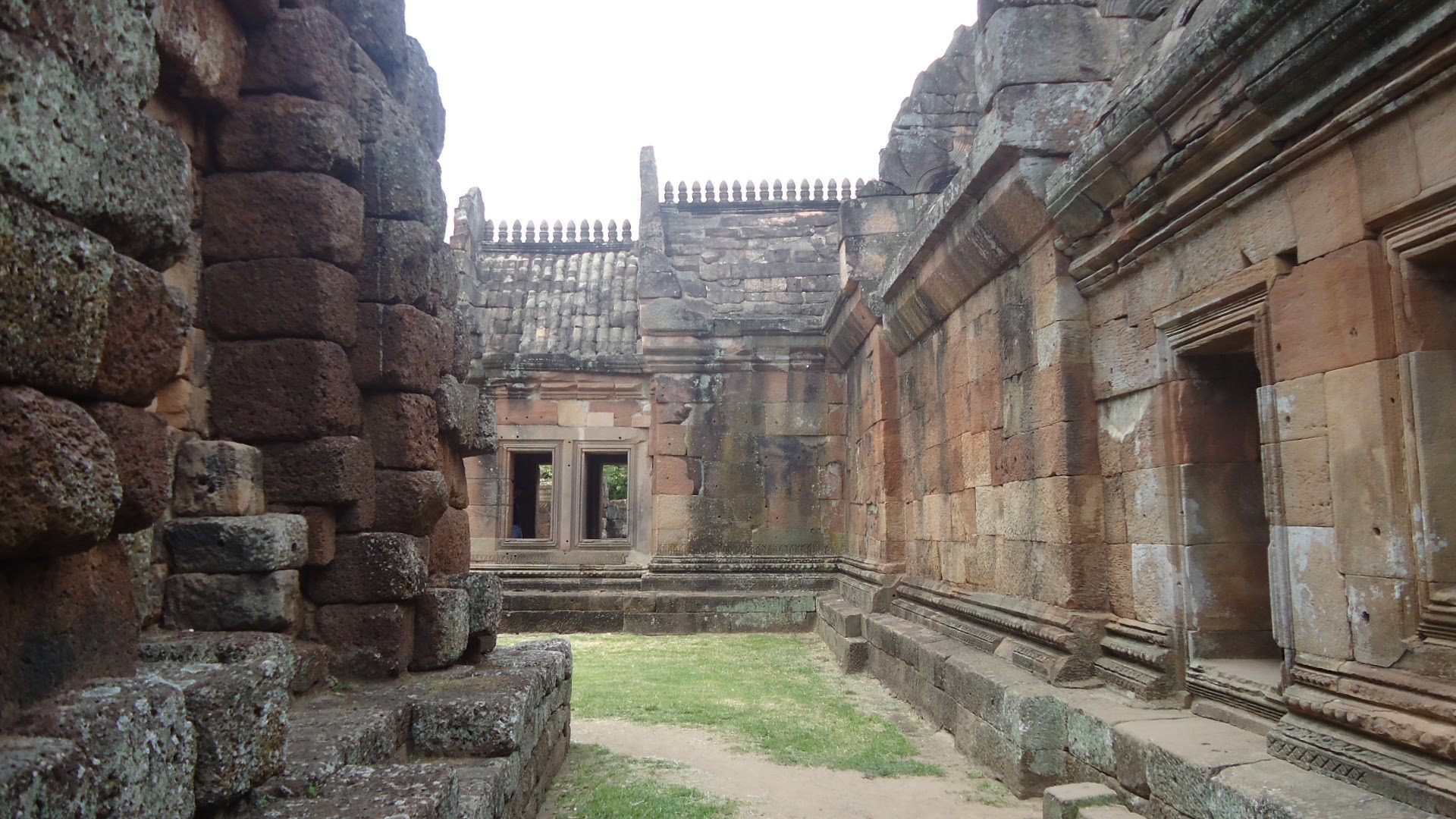
If you have visited Angkor Wat in Cambodia, the first sight of Phanom Rung will stop you. The access causeway, the prasat towers, the gopuras (monumental porches), the columned galleries, the ritual pools on either side of the avenue — everything speaks the same architectural language.
The difference: Angkor receives several million visitors per year. Phanom Rung remains confidential. That April morning, I walked through the galleries, explored the inner sanctuaries and studied the bas-reliefs in near-total silence. An experience no longer possible at Angkor for a long time.
🗺️ For expats in Isaan, Phanom Rung is roughly what Angkor is to Cambodia — 1.5 hours by road from Surin, without the tourist coaches.
3. The Stolen Lintel — A Story Worth the Detour
The history of Phanom Rung is not limited to its architectural splendour. It also includes one of the most resounding episodes of antiquity trafficking in Southeast Asia.
In the 1960s, the temple’s main lintel — a sculpted panel representing Narai (Vishnu) reclining on the serpent Ananta, a masterpiece of Khmer art — disappeared from the site. It reappeared a few years later in the permanent collection of the Art Institute of Chicago, purchased by the museum without its origin being clearly established.
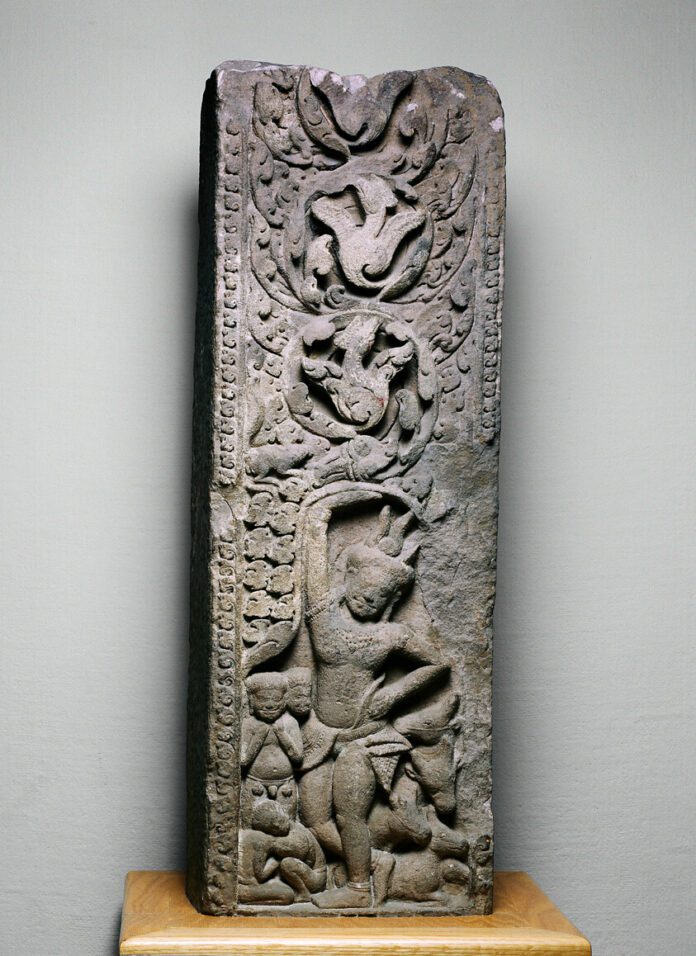
Thailand then initiated diplomatic proceedings that would last nearly twenty years. In 1988, after an intense public campaign and sustained political pressure, Chicago finally returned the lintel. It is today in place, in the exact spot where it was sculpted more than nine centuries ago.
🏛️ The Phanom Rung lintel is considered one of the finest examples of Khmer sculpture in the Baphuon style (11th century). Its restitution is still cited as a model of international cultural cooperation.
4. The April Solar Alignment — A Rare Phenomenon
Four times a year, the sun’s rays pass through the temple’s central axis via the 15 aligned doors. Two phenomena occur at sunrise (typically April 3-5 and September 7-9) and two at sunset (March 5-7 and October 5-7), with dates varying each year slightly.
The temple’s architecture is not merely aesthetic: it is astronomical. The Khmer builders oriented the sanctuary with remarkable precision so that light passes through the entire temple at specific dates of the calendar.
I was not there that morning — I visited outside the alignment dates. But observing the perfect regularity of the central axis and the layout of the gopuras, I can easily imagine what the spectacle must be. It is one of the rare times I wished I had planned my visit differently.
☀️ If you plan your visit around the alignment, arrive before dawn. The site draws significantly more visitors on those days — still moderate by Thai tourist standards, but very different from the usual serenity.
5. Practical Information
Access from Surin / Na Di
From Na Di (Surin), allow approximately 1.5 hours by car. The road is easy and well signposted. The site is in Buri Ram province, about 15 kilometres from the town of Nang Rong.
- From Surin: take route 214 towards Buri Ram, then follow Phanom Rung signs
- Free parking at the foot of the volcano
- The ascent is on foot along a paved avenue of around 400 metres — accessible and partly shaded
Opening Hours and Admission
| Opening hours | 6:00 AM — 6:00 PM, every day |
| Foreign admission | 100 THB (~€2.60) |
| Thai admission | 20 THB |
| Best time | Early morning (before 10 AM) — avoid afternoons in April (intense heat) |
| Solar alignment | Sunrise: April 3-5 and September 7-9 Sunset: March 5-7 and October 5-7 |
The Dual Pricing — 100 THB vs 20 THB
As at most Thai historical sites and national parks, two rates coexist: one for foreigners, one for nationals. 100 THB against 20 THB.
The first time, it surprises you. After a few years here, you understand the logic: Thais pay taxes that fund the upkeep of these sites. Foreigners benefit from the site without that contribution. In practice, 100 THB is a modest sum — less than €3 for a site of this quality.
A useful note for resident expats: the pink ID is the Thai identity card issued to foreigners with legal residence — provided they appear on the house register (tabien baan). This document replaces the passport for domestic travel. And sometimes, at national park entrances, it allows paying at the local rate.
😄 Those wishing to pay the Thai rate simply need to show their pink ID. I neither confirm nor deny whether this works at every ticket counter. 😄
6. What to Know Before You Go
- Wear clothing covering shoulders and knees — it is a religious site
- Bring water — the ascent and exploration can last 1.5 to 2 hours
- Visit early in the morning — the light is beautiful and the heat bearable
- Avoid afternoons during the hot season (March–April) — the stones accumulate heat
- The site is remarkably well maintained — exemplary cleanliness
- Little or no catering on site — eat before or bring a picnic
- Can be combined with Mueang Tam temple, 8 km away — less impressive but interesting
In Summary
Phanom Rung is one of those places that rewards those who venture off the standard tourist circuits. Complete Khmer architecture, exemplary conservation, serene atmosphere, easy access from Surin, and for 100 THB, one of the best visits Isaan has to offer.
If you were to make just one excursion from Surin, this would be it.
— Mário Ferreira | Surin, Isaan, Thailand
💬 Have you visited Phanom Rung? Share your experience in the comments!
📌 Also discover: the Chong Chom border market and Wat Rong Khun (White Temple) — two other gems of Isaan and northern Thailand.