Do Days Have Colours? In Thailand, They Do!
by Mário Ferreira | 2026 | Daily Life
Thai tradition, influenced by Hindu mythology, assigns a colour, a planet and a meaning to each day of the week. This is not a tourist anecdote — it is a living belief that continues to influence daily life, clothing choices and even important decisions.
When I discovered this tradition, my first reaction was to check what my own colour was. I was not entirely thrilled with the result — but I will come back to that.
1. The Colours of the Week
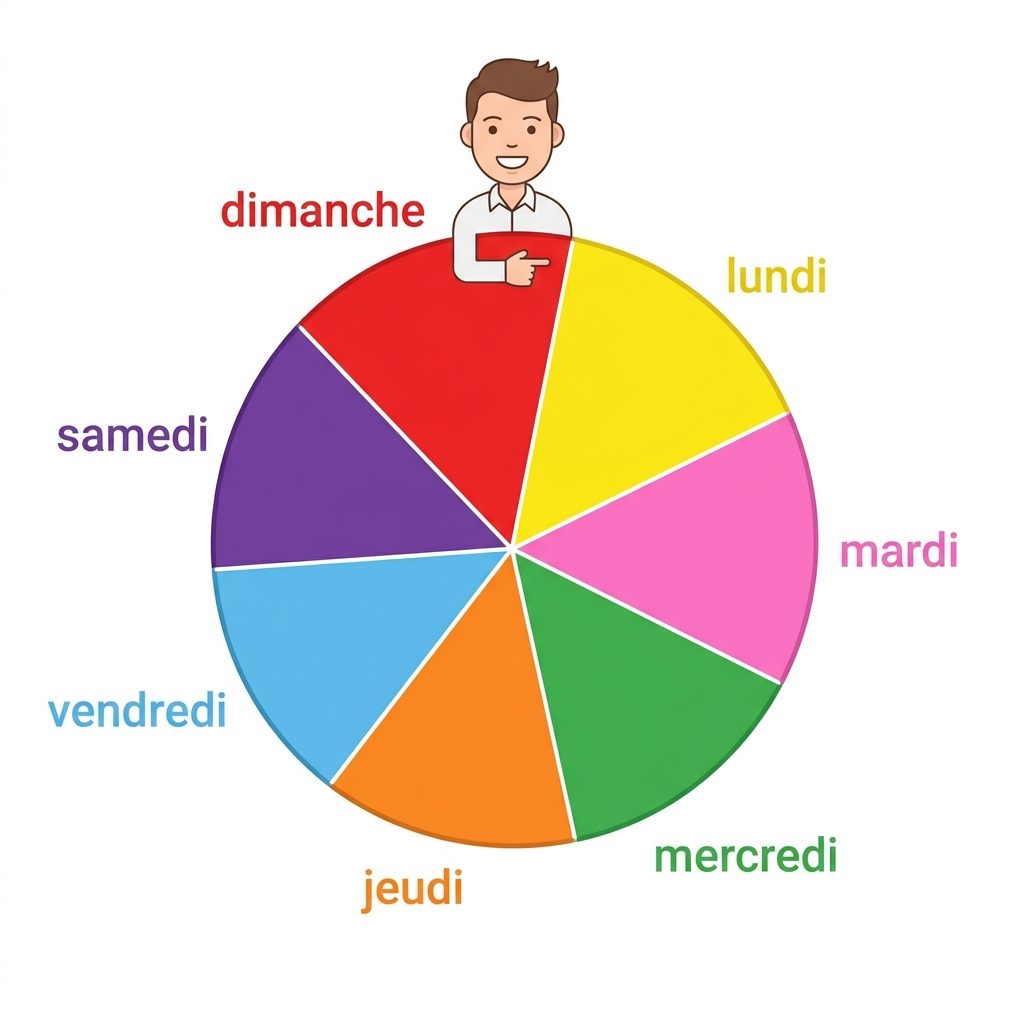
Here is the complete table — with the associated planet, which explains the origin of each colour in Hindu cosmology:
| Day | Colour | Associated planet |
|---|---|---|
| Monday | Yellow | Moon |
| Tuesday | Pink | Mars |
| Wednesday | Green | Mercury |
| Thursday | Orange | Jupiter |
| Friday | Light Blue | Venus |
| Saturday | Purple | Saturn |
| Sunday | Red | Sun |
💡 Wearing the colour of your birth day is considered lucky. Most Thais know their colour by heart and consider it their lucky colour throughout their lives.
2. A Living Tradition
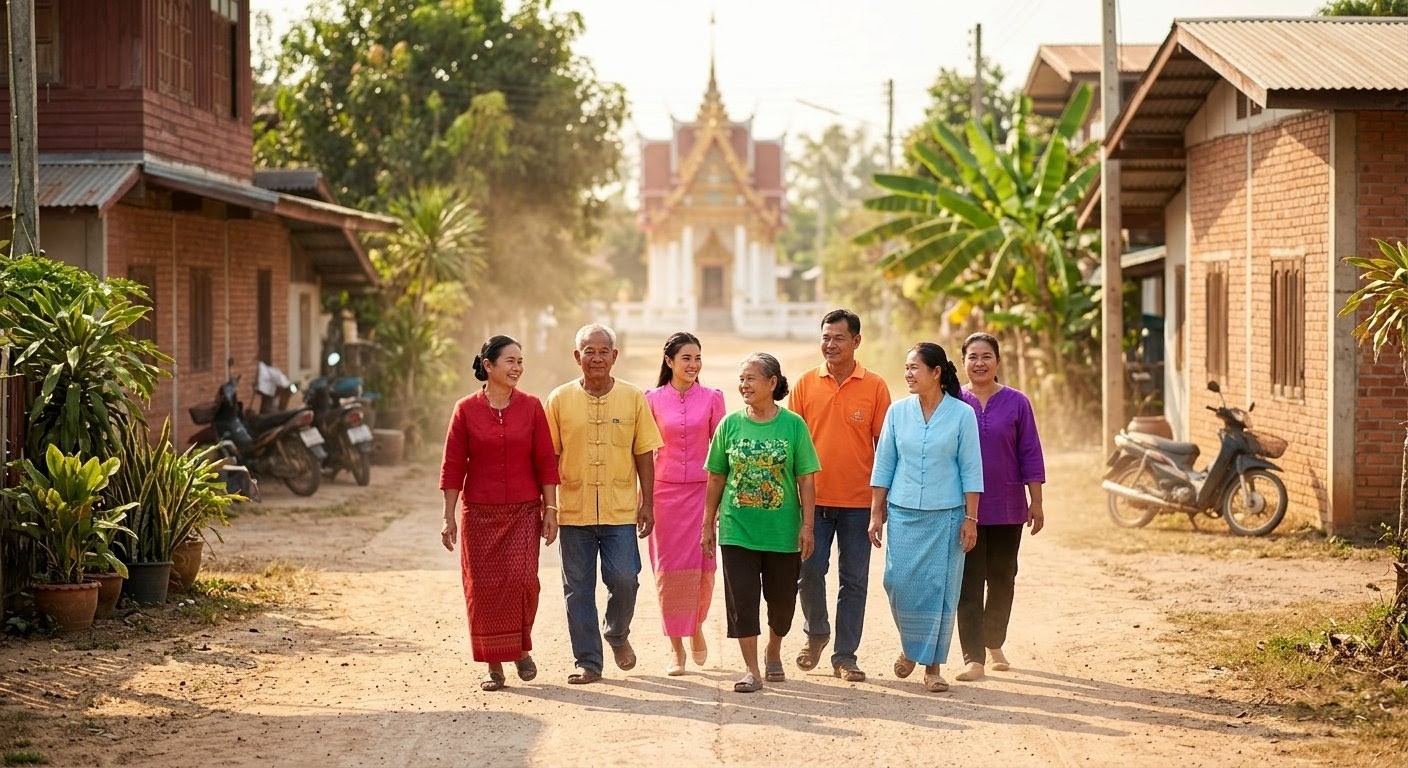
Wearing the colour of the day of the week is less systematic today than in the past. The younger generation, especially in cities, pays less attention to it. But the tradition is far from gone.
In more traditional companies, employees’ shirts change colour every day to match the day of the week. Some hotels, government offices and schools maintain this practice.
In Isaan villages like Na Di where I live, older residents still willingly follow this tradition, especially for important occasions — Buddhist ceremonies, family celebrations, and important visits.
✍️ What strikes me is that Thais all know their birth colour. It is as common a piece of information here as a star sign in Europe. Ask any Thai their colour — they will answer without hesitation.
3. Yellow — The King’s Colour
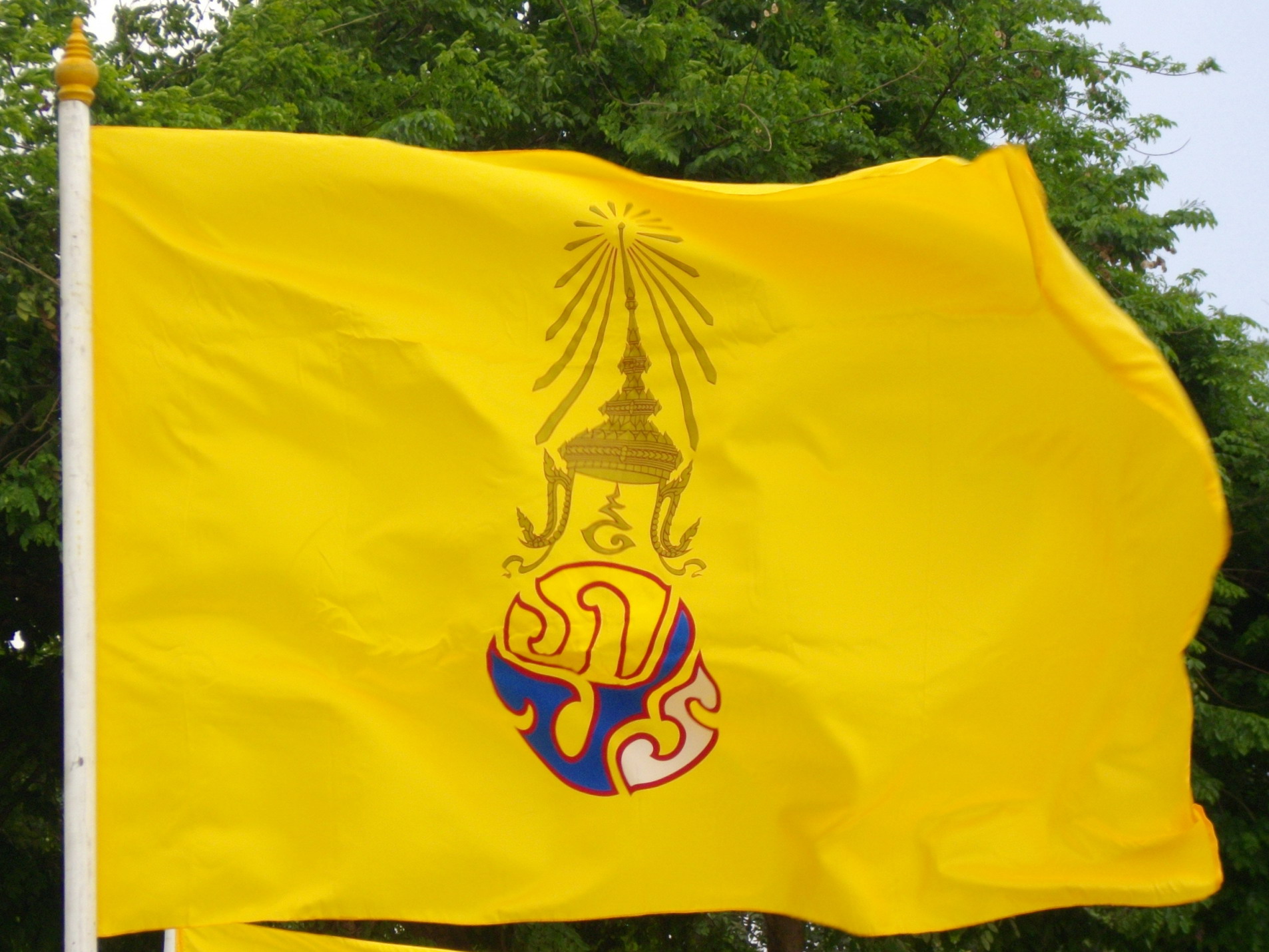
Among all the colours, yellow holds a special place in Thailand. It is the colour of Monday — and King Bhumibol Adulyadej, Rama IX, was born on a Monday, 5 December 1927 (the current king, Rama X, was also born on a Monday). Yellow thus became the royal colour par excellence.
For decades, millions of Thais wore yellow shirts on Mondays in honour of the king. On 5 December, his birthday and a national holiday, Bangkok transformed into a sea of yellow.
But the situation became complicated from 2006, when yellow became the colour of a specific political movement.
4. The Shirt Crisis — Yellow, Red and… Pink
Yellow shirts vs red shirts
Between 2006 and 2010, Thailand went through a deep political crisis. On one side, the ‘yellow shirts’ — the People’s Alliance for Democracy (PAD), monarchists, mainly from Bangkok’s middle class, opposed to Prime Minister Thaksin Shinawatra. On the other hand, the ‘red shirts’ — the UDD, supporters of Thaksin, mainly rural and from Isaan.
The yellow shirts had adopted their colour as a direct reference to royalty. But by appropriating the royal yellow for political purposes, they made many Thais uncomfortable — people who did not wish to display any political allegiance simply by wearing the colour of Monday.
🏛️ The yellow shirts occupied Bangkok’s international airport for several days in November 2008, paralysing the country and causing enormous losses for tourism. The red shirts responded with major demonstrations in Bangkok in 2010, which were violently suppressed.
The pink episode — the king speaks without a word
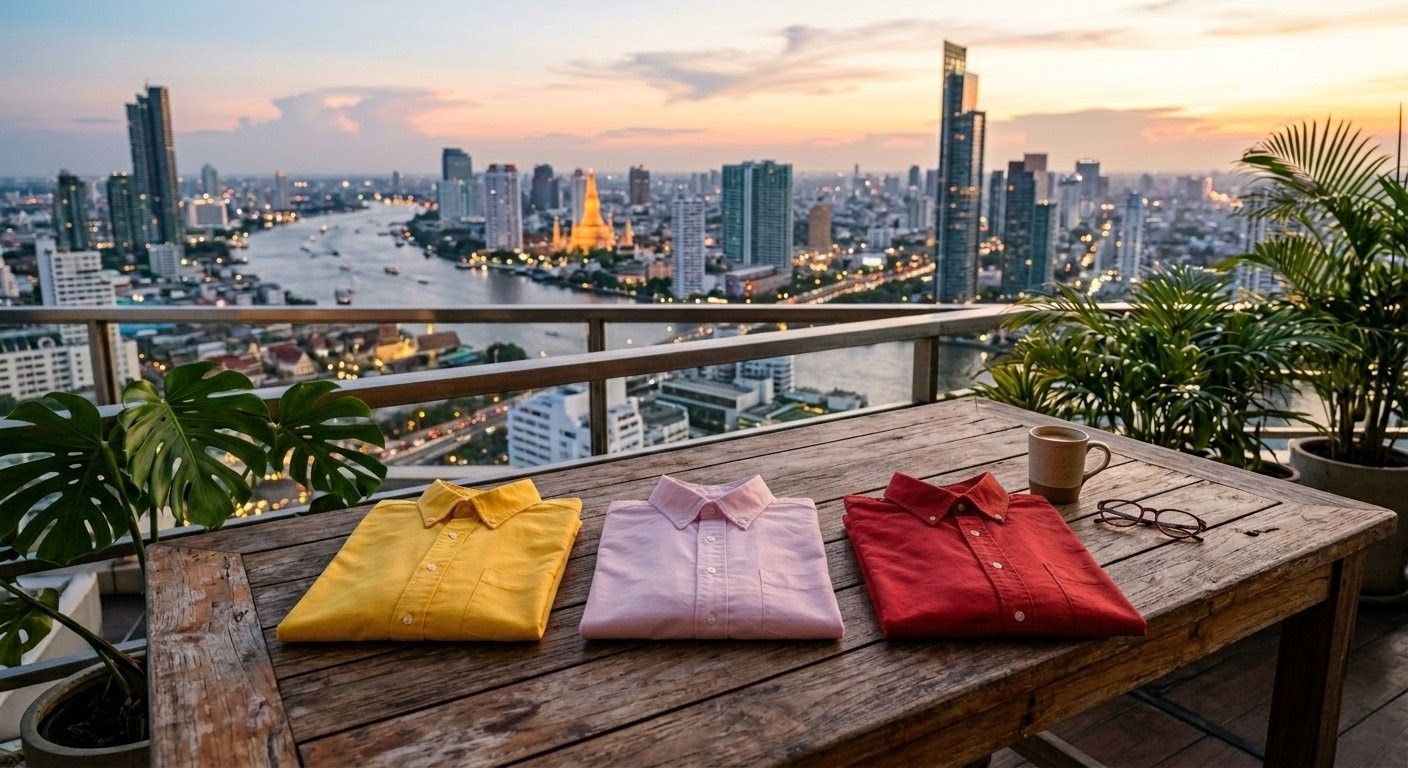
This is where the story takes a remarkable turn. In November 2007, after a three-week hospitalisation, King Bhumibol appeared in public wearing a bright pink blazer and shirt — pink being the colour of Tuesday.
According to royal astrologers, this colour had been chosen to promote his recovery and bring good luck. But the effect was considerable. In a country where yellow had become a political weapon, the king appeared in pink — a neutral colour, unclaimed by either side.
🏛️ The result was immediate: tens of thousands of pink shirts sold across the country in a matter of weeks. Thais who refused to display a political colour had found their refuge — royal pink. Time Magazine and CNN covered this episode as one of the most skilful political gestures of the decade: without uttering a single word, the king had short-circuited polarisation through the choice of a colour.
The debate about the king’s true colour
And here a delightful detail comes in. King Bhumibol is officially recorded as born on a Monday — hence yellow. But he was born in Cambridge, Massachusetts, on 5 December 1927. Massachusetts is 12 hours behind Thailand — meaning that in Bangkok, it was already Tuesday.
Technically, according to Thai tradition applied strictly, the king’s colour would be… pink. The very colour he chose to wear on leaving the hospital. Coincidence? Thais enjoy this ambiguity.
5. Black — The Colour That Changes Meaning
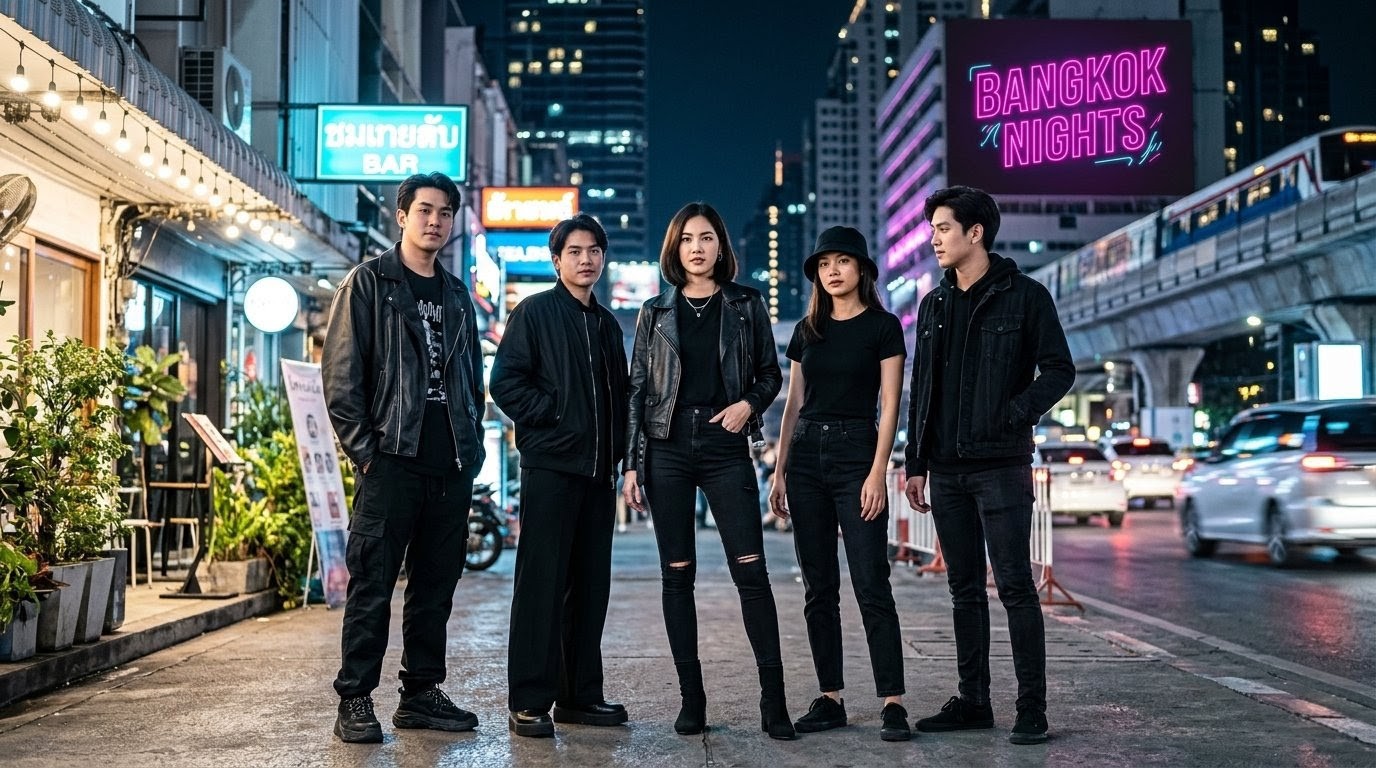
Black was traditionally reserved for funerals and mourning periods in Thailand. Its symbolic weight remains strong — do not make the mistake of showing up in black at a Thai wedding.
That said, the younger urban generation, influenced by international fashion trends, wears black more and more commonly in daily life. In rural Isaan, tradition remains more firmly anchored — black at mourning ceremonies is still a strong social norm.
⚠️ Thai wedding: avoid black and white (also associated with mourning). Favour bright colours — red, blue, green, orange. It is a mark of respect that is much appreciated.
6. And You — What Is Your Colour?
It is the question everyone asks after reading this table. The answer is simple: you just need to know the day of the week you were born.
As for me, I was born on a Tuesday. My colour is therefore… pink. I confess: I am not convinced you will often see me dressed in this colour. But I now have a historical reason to embrace it — if King Bhumibol wore it, who am I to refuse?
✍️ What I love about this tradition is that it reveals a way of experiencing time that is radically different from ours. In Europe, we wear colours for aesthetics or habit. Here, a simple shirt can say who you are, what day you were born, and even what you think politically. Colours speak.
— Mário Ferreira | Na Di / Surin, Isaan, Thailand
💬 What day were you born? And do you own your colour? Tell us in the comments!
📌 Also read: our article on Buddhist ordination ceremonies — where colours also play an essential role.