Buying, Building or Renting in Thailand: What Every Expat Must Know
by Mário Ferreira | 2026 | Housing & Settlement
Finding housing in Thailand is one of the first questions any expat settling in the country faces. The answer depends on your situation — married to a Thai national, single, available budget, length of stay — but also on Thai law, which imposes strict rules on foreigners regarding property ownership.
This guide presents the available legal options, their advantages and limits, and concludes with my personal experience: I had my house built in Na Di, in Isaan, one year ago. 100 m², 3 bedrooms, 2 bathrooms. In 2 months and 25 days.
1. The Basic Rule: a Foreigner Cannot Own Land in Thailand
This is the unavoidable starting point. Thai law (Land Code Act) prohibits foreign nationals from owning land or an individual house in their name. This restriction applies to all foreigners, regardless of their length of residence or marital status.
However, a foreigner may legally:
- Own an apartment in a condominium
- Rent a property
- Build a house on land leased or belonging to their Thai spouse
- Hold a stake in a Thai company that owns the land
⛔ The so-called ‘Thai nominee’ system — where a foreigner uses Thai name-lenders to circumvent the law — is illegal. Thai authorities are increasingly sanctioning it. Avoid.
2. The Legal Options
Option 1 — Renting
This is the simplest and most flexible option. Rental contracts in Thailand are generally annual or multi-year. Prices vary considerably by region: from a few thousand baht per month in rural Isaan to tens of thousands in Bangkok or tourist resorts.
🏠 In rural Isaan, a decent house rents for between 3,000 and 8,000 THB per month. For an expat discovering the region, renting is an excellent starting point before committing to a purchase or construction.
Option 2 — Long-term Lease (Leasing)
Thai law authorises property leases of a maximum duration of 30 years, renewable. In practice, a 30-year lease + 30-year renewal option is common in transactions involving foreigners.
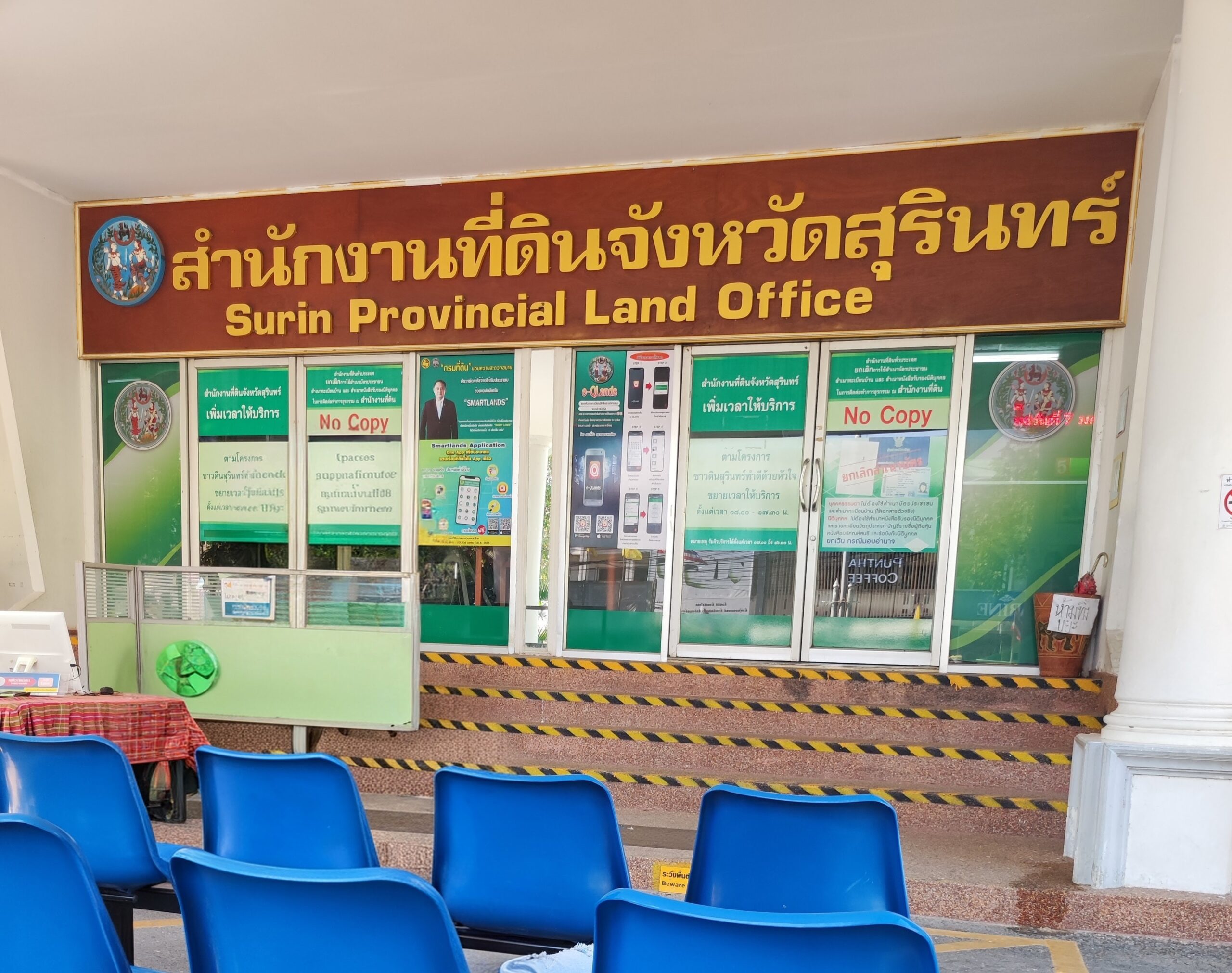
This type of contract allows a foreigner to use land long-term without owning it. The lease can be registered at the Land Department, giving it solid legal protection.
⚠️ Renewal after 30 years is not automatically guaranteed — it depends on the goodwill of the owner or their heirs. Have the contract drafted by a specialist lawyer and ensure the renewal clause is explicitly registered.
Option 3 — Thai Company
A foreigner can create or participate in a Thai company (Thai Limited Company), which can own land. The law requires that at least 51% of the capital be held by Thais.
This option is legal provided that the Thai shareholders are genuine investors — and not name-lenders. Authorities increasingly verify that shareholders have actually contributed capital.
⚠️ Managing a Thai company involves annual accounting and tax obligations. It is a viable solution for significant investments, less suited for a simple personal residence.
Option 4 — Condominium
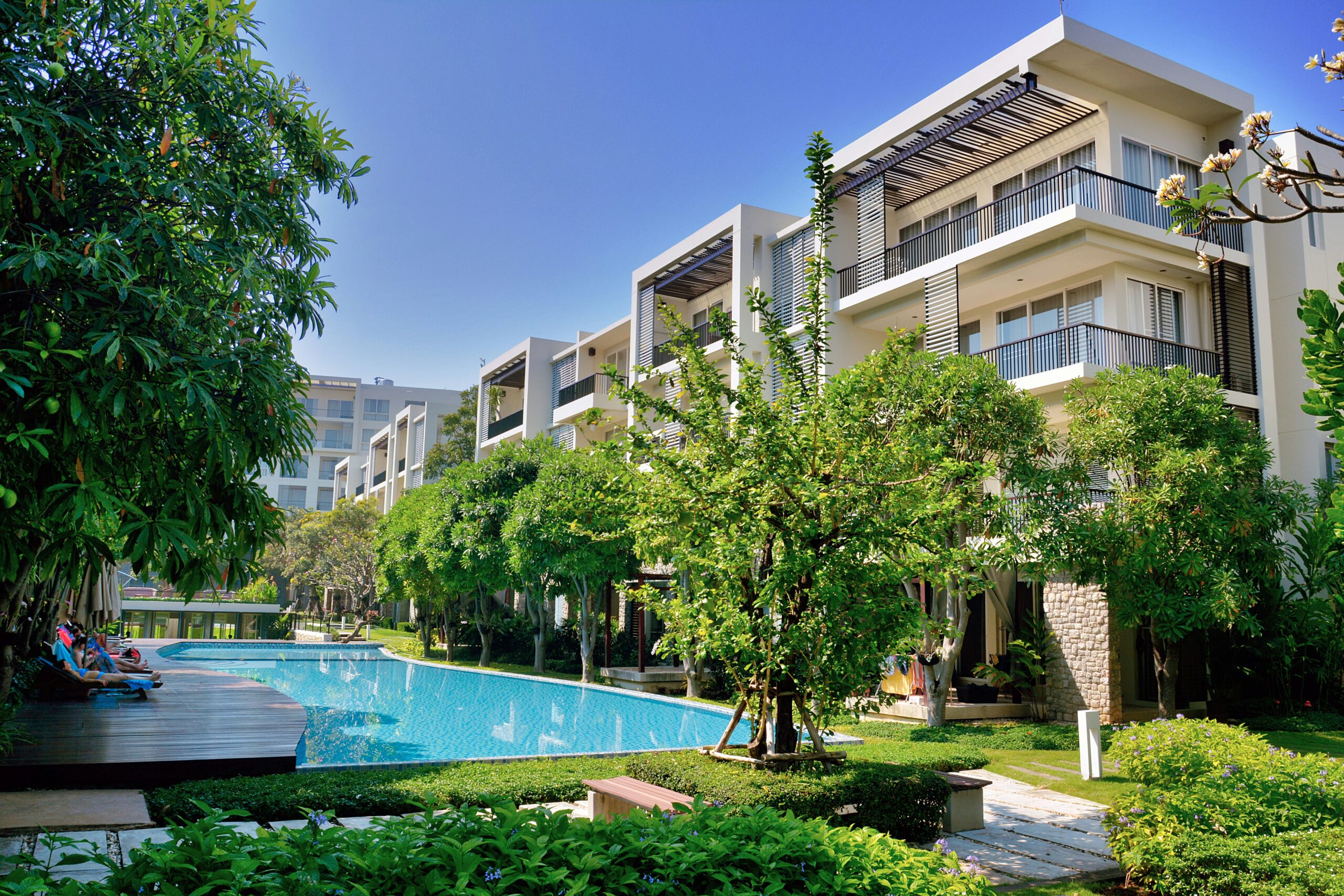
This is the only form of direct property ownership accessible to foreigners in Thailand. The law allows foreigners to own up to 49% of the units in a registered condominium.
Condominiums are concentrated in major cities (Bangkok, Chiang Mai) and tourist areas (Phuket, Pattaya, Hua Hin). In rural Isaan, this option is practically non-existent.
🏢 For an expat who wants property in their own name without legal complications, a condominium in a city like Chiang Mai or Hua Hin remains the most secure solution.
3. Options Comparison
| Option | Key points |
|---|---|
| Renting | Flexible, no commitment. Ideal for starting out. |
| Long-term lease (30 years) | Secure if registered. Renewal not guaranteed. |
| Thai company | Legal if genuine shareholders. Accounting obligations. |
| Condominium | Direct ownership. Limited to urban/tourist areas. |
| Thai nominee | ⛔ ILLEGAL. Avoid at all costs. |
4. My Experience — Building a House in Isaan
I am married to a Thai woman. My situation is different from that of a single expat: the land and the house are in my wife’s name, which is the most natural and common solution for mixed couples settled in Isaan.
The Land
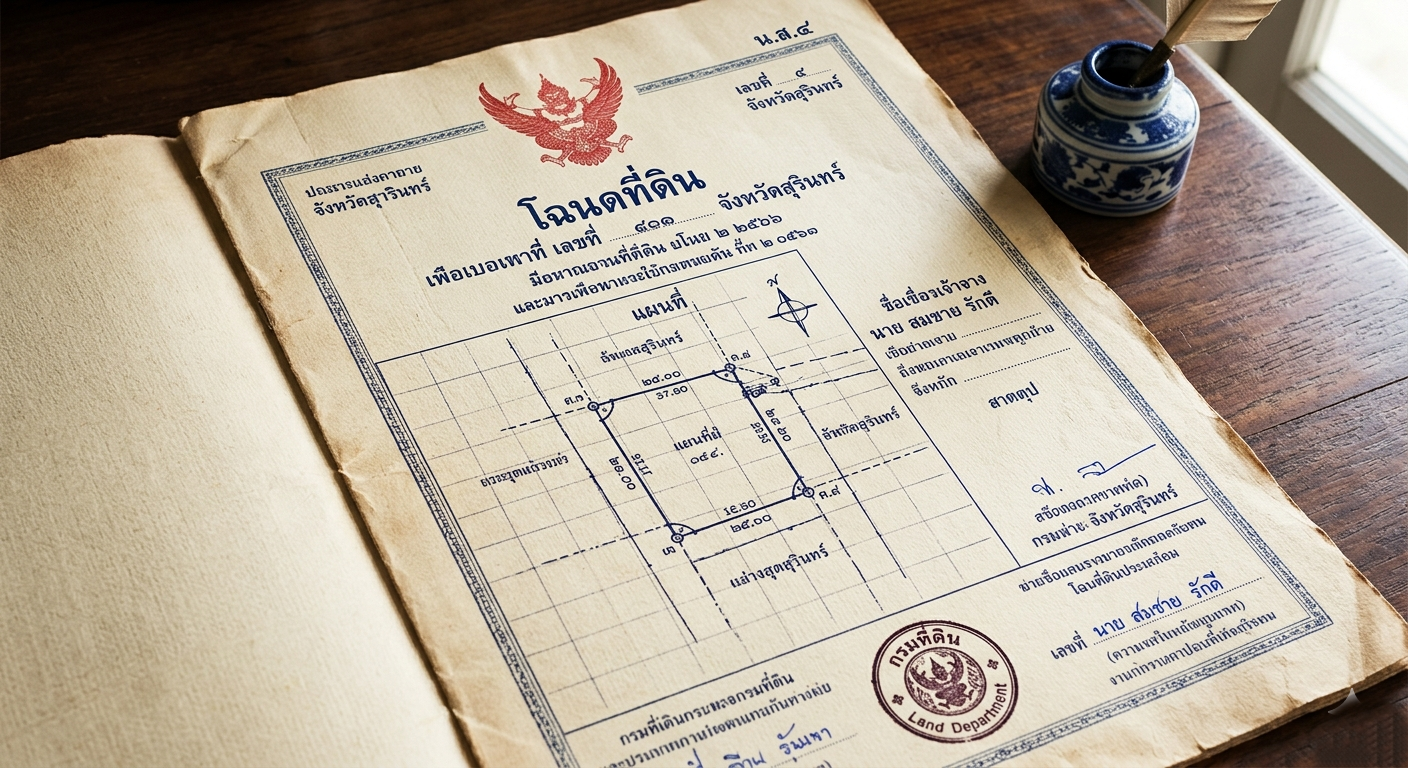
We bought a plot of around 500 m² in Na Di, in Surin province. Price paid: €5,200.
To give an idea: in our area, the rai (1,600 m²) negotiates between 200,000 and 250,000 THB. But opportunities exist — recently, 10 rai were sold for 1,000,000 THB, around €2,700 per rai. Rural Isaan still holds some pleasant surprises.
🌱 The land market in rural Isaan remains very accessible compared to tourist areas or Bangkok. With patience and a good local network, it is possible to find land at remarkable prices.
The Construction
The house was built one year ago. 100 m², 3 bedrooms, 2 bathrooms. Construction time: 2 months and 25 days.
Total construction cost: 1,500,000 THB — approximately €38,500 at the current rate. This all-inclusive price includes:
- Architectural project and administrative procedures
- Double-wall AAC block construction (autoclaved aerated concrete — lightweight, insulating, resistant)
- Double thermal insulation in the roof
- Pressurised water system with 2,000-litre tank
- Air conditioning in all 3 bedrooms
- Bathroom and kitchen fittings
- Labour and all building materials
✍️ All included. No unpleasant surprises during construction. The price quoted at the start was the final price.
The Builder
I was fortunate to work with a remarkable local company. Two partners: a Thai civil engineer, and a perfectly English-speaking partner — he worked in France and Germany, which considerably facilitated communication and project monitoring.
The professionalism of the entire team, the quality of the materials used and the respect for deadlines pleasantly surprised me. I recommend them unreservedly to any expat considering building in the Surin region.
📌 Builder: Wirasiri | Facebook | TikTok
5. Practical Tips Before Getting Started
- Consult a specialist in Thai property law before any transaction — rules evolve and vary by province
- If you are married to a Thai national, ensure the marriage contract and asset situation are clearly established
- Have any long-term lease registered at the local Land Department — an unregistered contract has little legal value
- Prioritise a builder recommended by local expats — word of mouth remains the best guarantee in Isaan
- Get a detailed fixed quote before work begins — cost overruns are common without a precise contract
- Find out about local planning regulations — some areas have height or use restrictions
In Summary
Thailand is not the simplest property market for a foreigner — but it is far from inaccessible. With the right marital situation, a good legal adviser and a trusted builder, it is entirely possible to live comfortably at costs unachievable in Europe.
My 100 m² house in Isaan, built in less than three months for €38,500 all in, is proof of that. In France or Portugal, that budget doesn’t even buy a studio flat in a medium-sized city.
— Mário Ferreira | Na Di / Surin, Isaan, Thailand
💬 Thinking of buying, renting or building in Thailand? Post your questions in the comments!
📌 Also read: Opening a Bank Account in Thailand and our Complete Retirement Visa Guide.